Urban Design Guidelines for Street Vending
India
Street vendors are an essential part of Indian cities, bringing vibrancy and accessibility to everyday streets. Yet, balancing their presence with safe, walkable streets can be challenging. Deutsche Gesellschaft für Internationale Zusammenarbeit (GIZ) engaged The Urban Lab to develop Street Vending Guidelines to help cities manage and design vending-friendly streets while ensuring pedestrian comfort and urban safety.
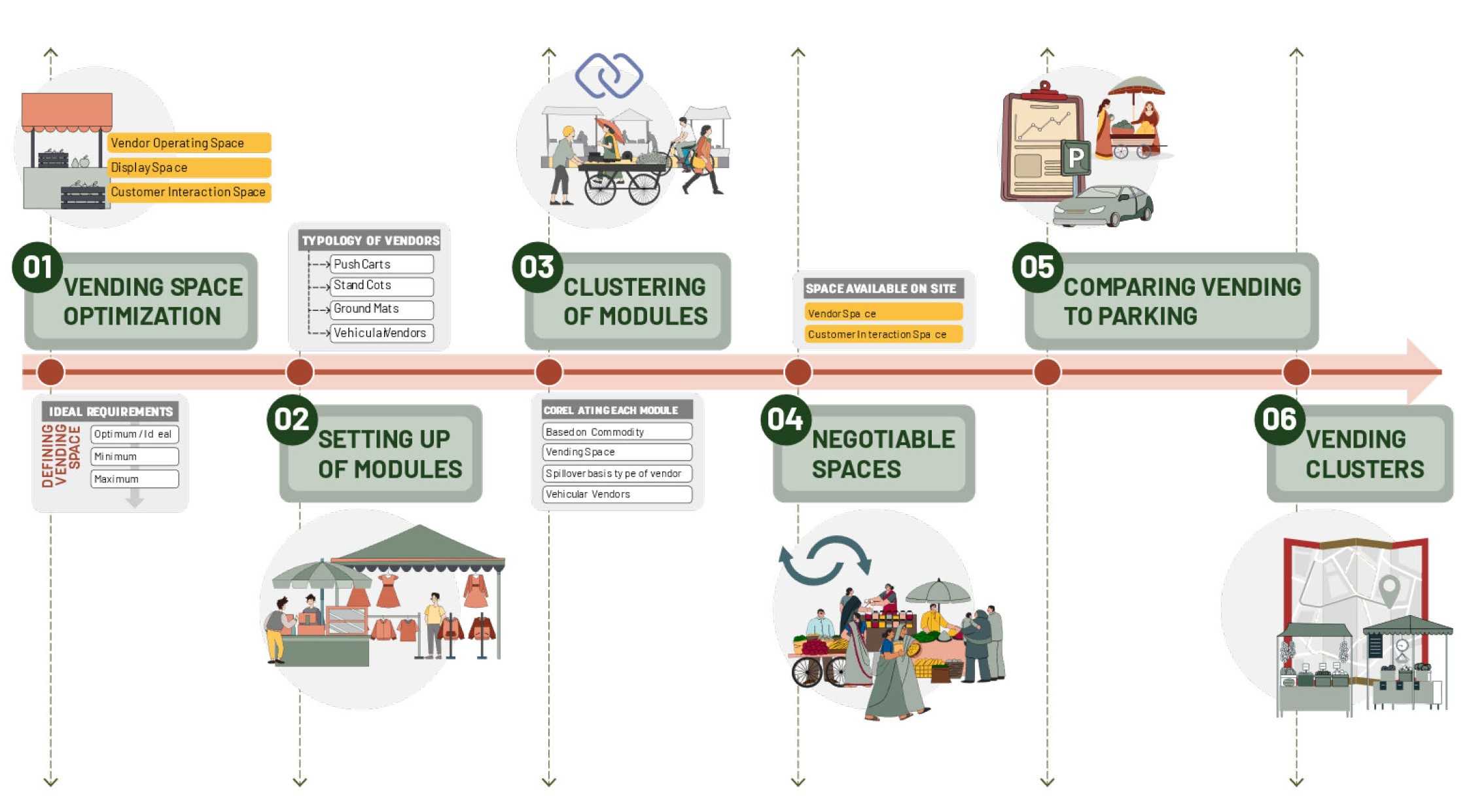
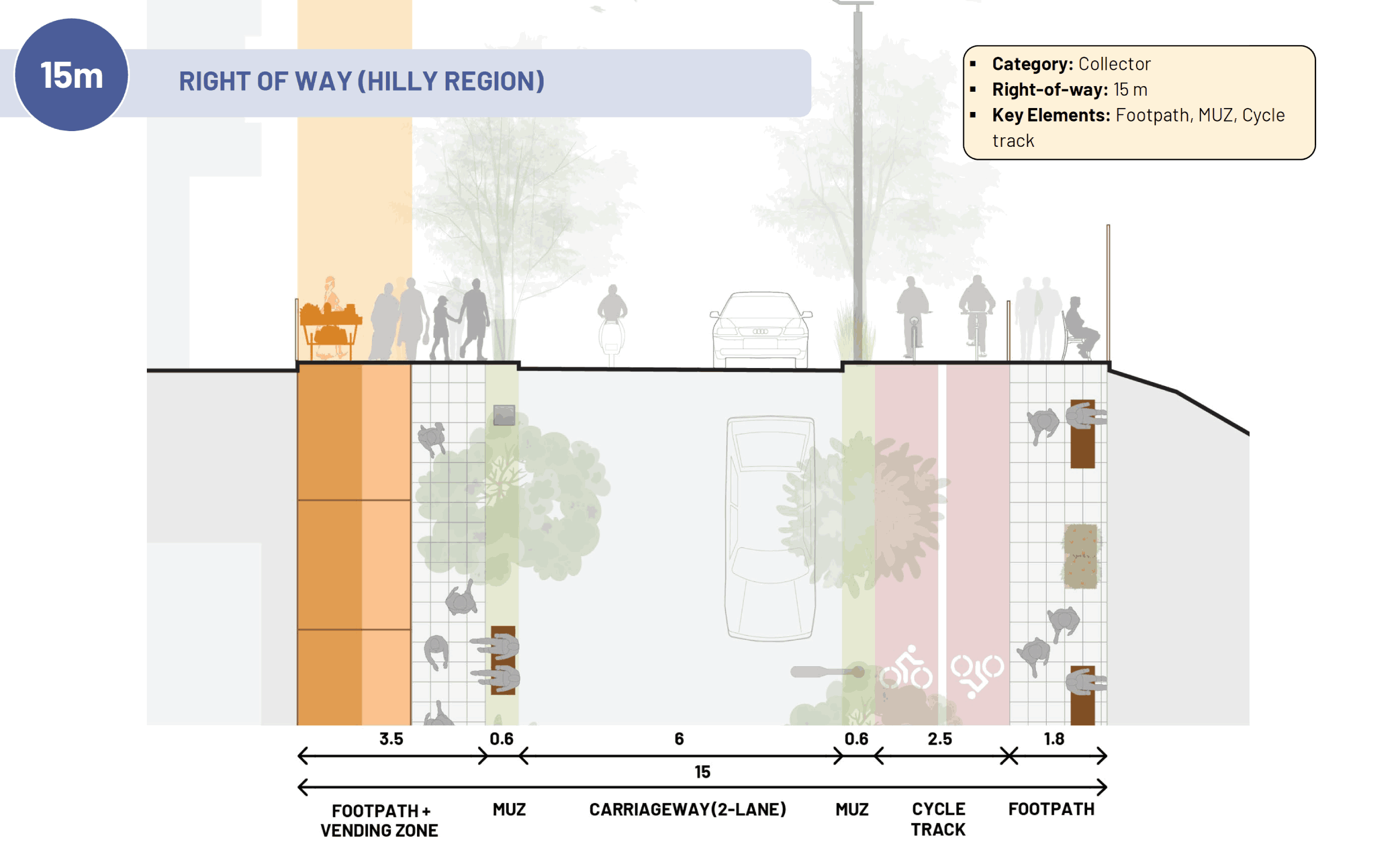
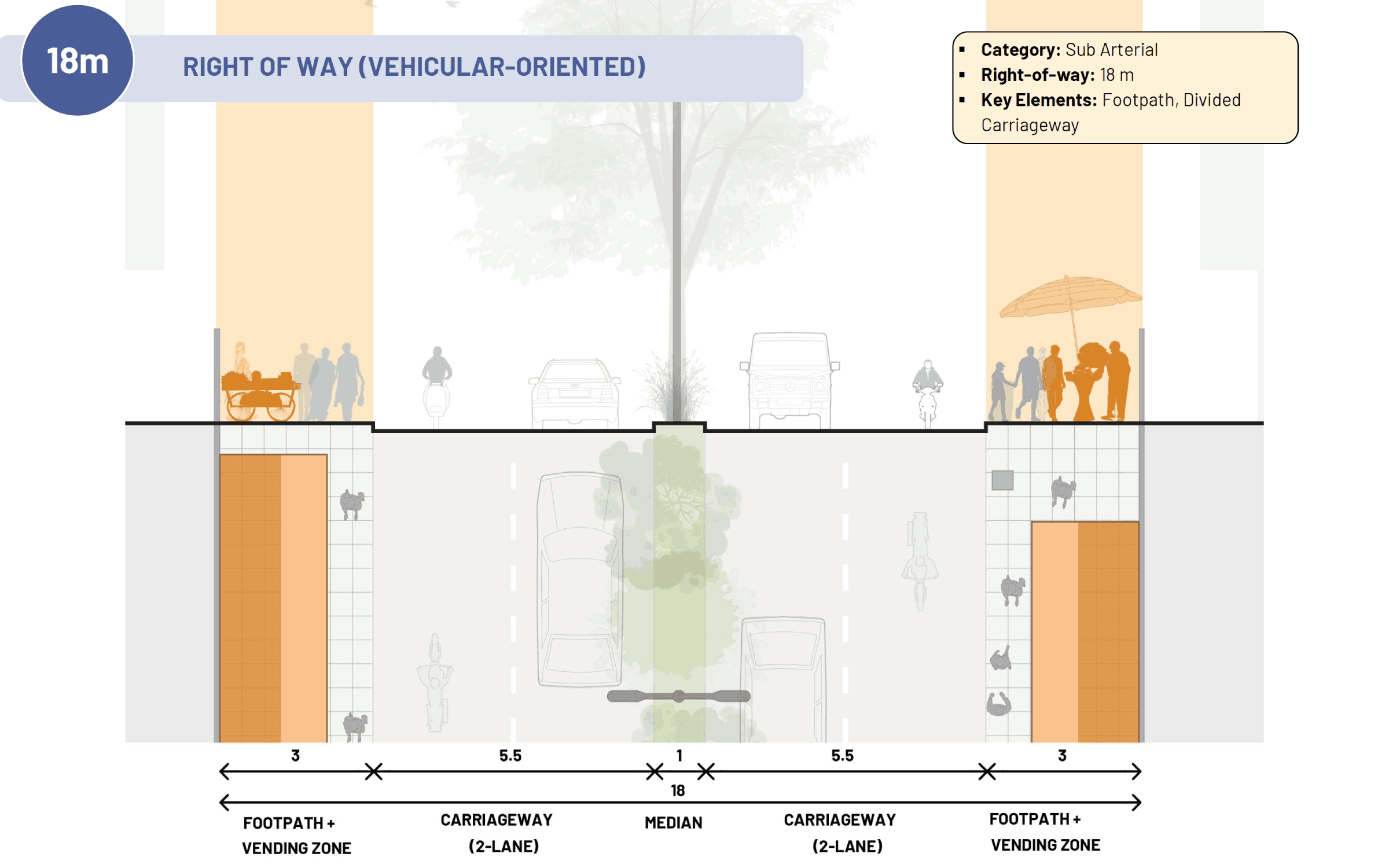
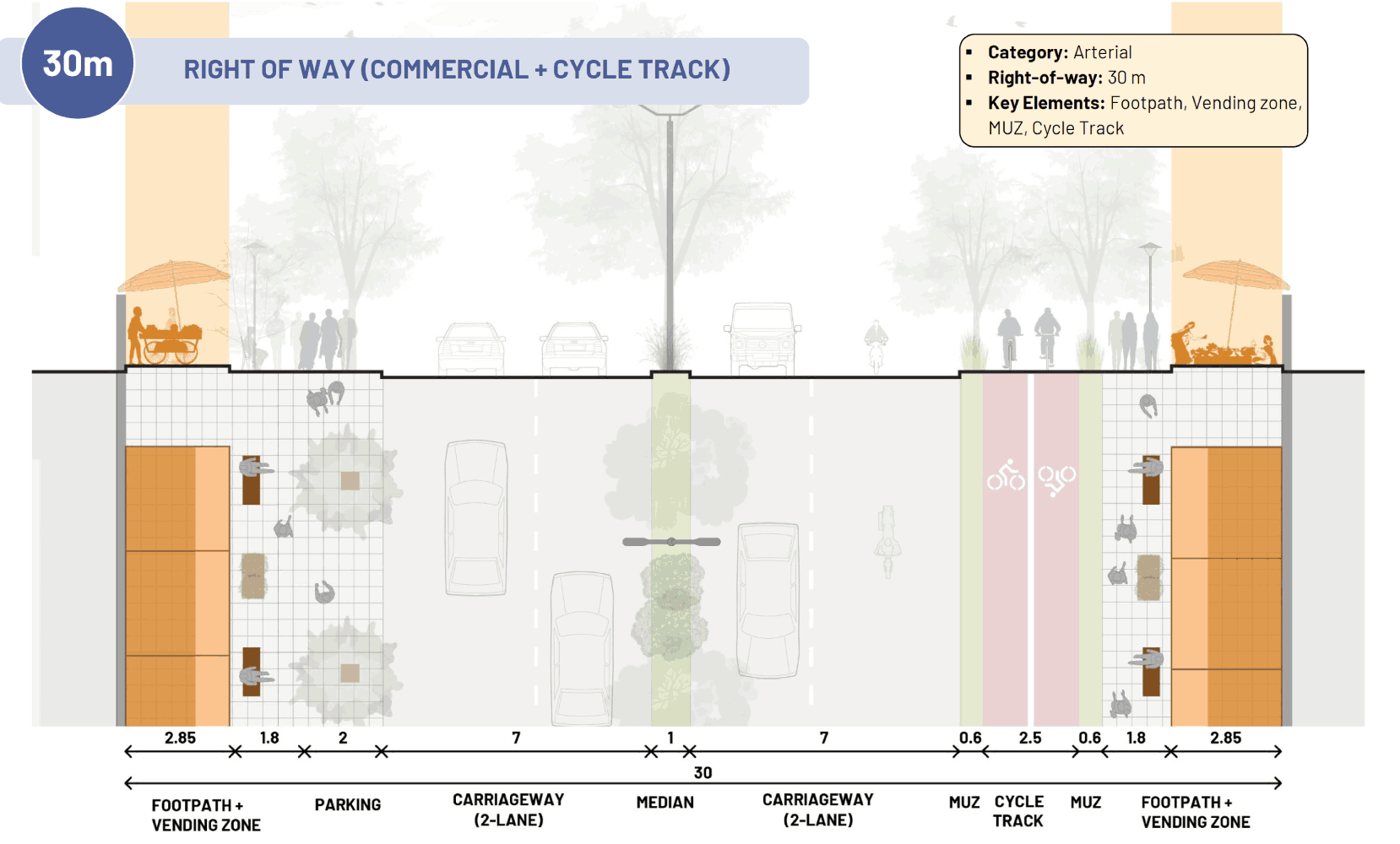
Through extensive fieldwork, policy reviews, and collaborative design, we crafted a set of practical, easy-to-use guidelines for cities to integrate vending into street design. The project developed clear design principles, street templates for various right-of-ways, and an implementation toolkit, making it easier for urban local bodies to identify vending zones that work for everyone—vendors, pedestrians, and city officials alike.
This work aims to empower cities to create streets that are equitable, safe, and vibrant, ensuring that vendors continue to thrive while making streets better for all.
Services
Literature review and secondary research
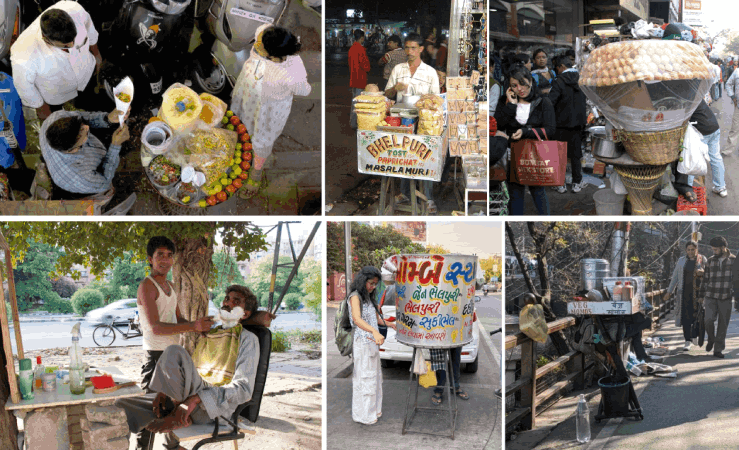
Site visits and field assessments across different cities
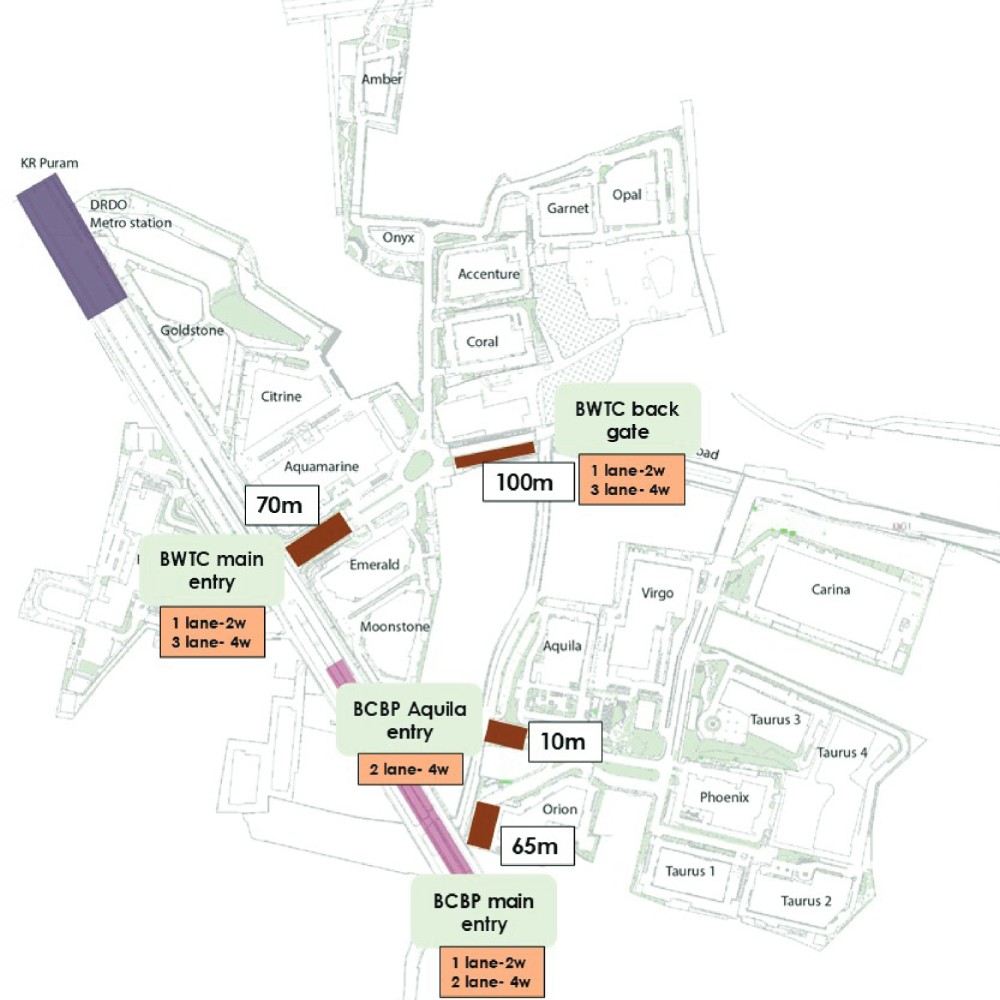
Street typologies and vending use patterns
Context-specific street design templates
Design principles for vending zone integration in street planning
Stakeholder consultation
Actionable guidelines with illustrations
Implementation toolkit for ULBs to operationalize guidelines
Client
Ministry of Housing and Urban Affairs (MoHUA), India and Deutsche Gesellschaft für Internationale Zusammenarbeit (GIZ) under the Integrated Urban Climate Action for Low-Carbon & Resilient Cities (Urban-Act) project
Partners
Awaas SEWA Private Limited, Ahmedabad
Period
September 2024 – Ongoing